Charting Algorithmic Personalization of Reload Incentives Across Multi-State Digital Wagering Frameworks
Avery Schmid · Aug 4, 2026
Charting Algorithmic Personalization of Reload Incentives Across Multi-State Digital Wagering Frameworks
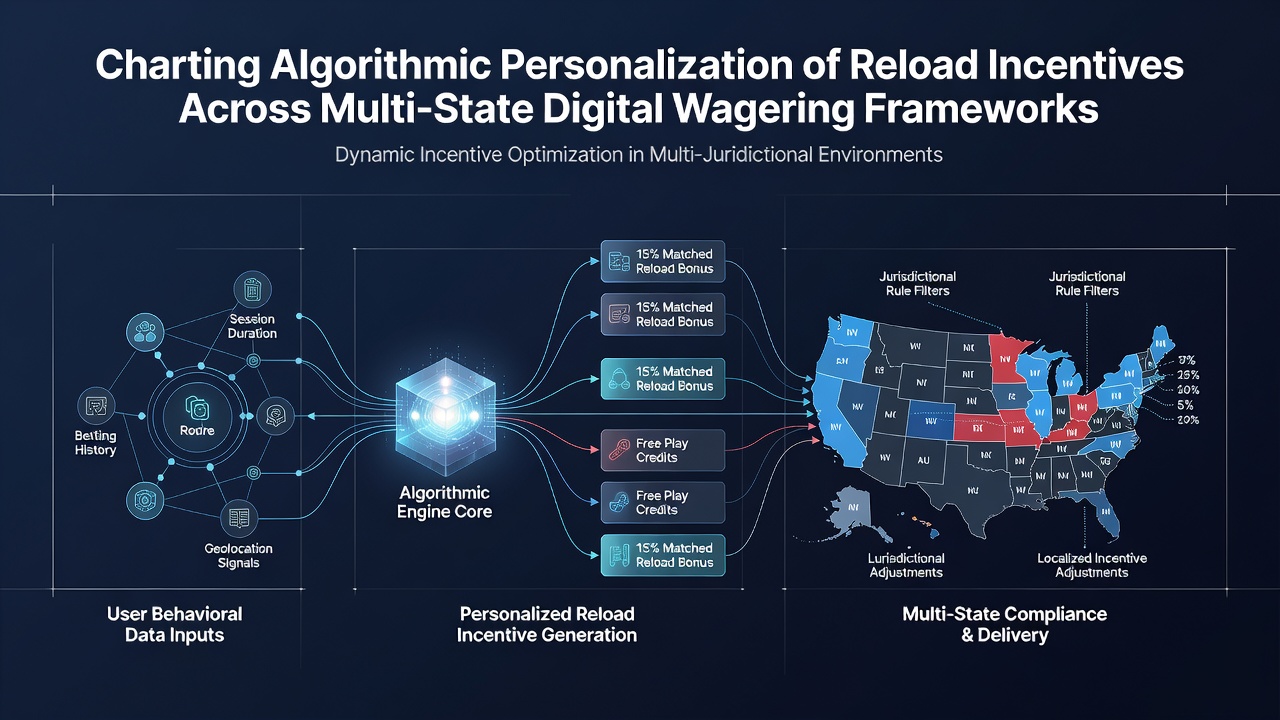
Algorithmic systems now drive reload incentive structures in multi-state digital wagering environments where operators adjust bonus offers based on real-time player data streams. These platforms pull information from account activity, location signals, and historical wagering patterns to tailor deposit matches or free spin packages that differ from one jurisdiction to the next. Data indicates that states with mature regulatory frameworks, including New Jersey and Pennsylvania, have seen operators deploy these tools more aggressively since early 2025, while emerging markets continue to test similar approaches under compact agreements that took effect in August 2026.
How Personalization Engines Process Multi-State Inputs
Personalization engines collect variables such as session frequency, average bet size, and device type, then apply machine learning models that segment users into cohorts eligible for specific reload offers. Operators integrate geolocation APIs to confirm a player's state of residence before finalizing any promotion, because each jurisdiction maintains distinct rules on bonus size, wagering requirements, and eligibility windows. Researchers at the University of Nevada, Las Vegas documented these cross-border data flows in a 2025 study that examined eight licensed platforms operating under three separate regulatory regimes, revealing that reload match percentages varied by as much as 25 percent depending on the detected state.
State gaming commissions require operators to log every algorithmic decision that affects bonus delivery. The Nevada Gaming Control Board, for instance, mandates quarterly audits of personalization code to verify that offers do not target self-excluded accounts. Similar oversight exists in Michigan and West Virginia, where regulators review the same models through different reporting templates. This patchwork creates technical overhead for operators who must maintain separate rule sets within a single backend system while still delivering seamless experiences to users who cross state lines during travel.
Regulatory Variations Shaping Incentive Design
Compact agreements signed in 2025 and expanded during August 2026 allow operators to share player verification data across participating states, yet each state retains authority over local incentive caps. Pennsylvania caps reload bonuses at 100 percent of deposit for most player tiers, whereas New Jersey permits tiered structures that reach 150 percent when algorithmic risk scores remain low. These differences force personalization engines to reference a dynamic rules engine that updates whenever a player account moves between jurisdictions. Observers note that platforms running identical codebases in both states routinely serve distinct reload offers on the same day to the same user profile simply because the detected IP address changed.
Implementation Patterns Observed in 2026
Industry reports compiled by the American Gaming Association show that reload incentive personalization now accounts for roughly 18 percent of total marketing spend among multi-state operators. The same data set reveals that algorithmic adjustments occur most frequently between 8 p.m. and midnight Eastern Time, aligning with peak login windows across eastern and central time zones. One documented case involved a platform that increased reload match rates for users who had wagered at least $500 in the prior 30 days while simultaneously lowering rates for accounts flagged for rapid deposit-and-withdrawal cycles. Regulators in both states reviewed the model parameters and approved continued deployment after confirming compliance with loss-limit rules.
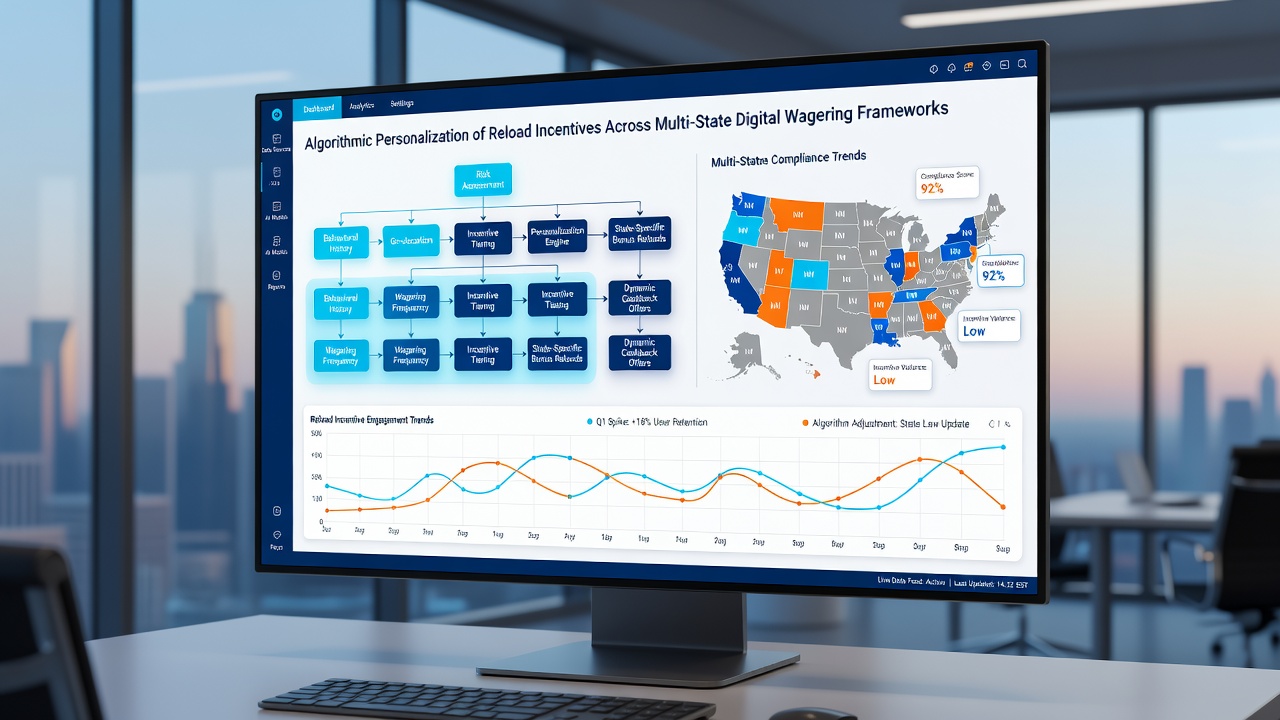
Technical teams maintain version-controlled rule libraries that isolate state-specific constraints from core personalization logic. When a new state enters the network, operators add a new module rather than rewriting the entire engine. This modular approach reduces deployment time from weeks to days, according to engineering summaries released alongside August 2026 compact updates. The same summaries indicate that verification latency dropped below 800 milliseconds once states standardized their API response formats under the new agreements.
Data Sources and Measurement Practices
Platforms draw performance metrics from internal telemetry plus anonymized feeds supplied by state regulators. The New Jersey Division of Gaming Enforcement publishes monthly aggregates that operators cross-reference against their own cohort-level results to calibrate future offers. Academic teams at Michigan State University have begun incorporating these public datasets into longitudinal studies that track how personalized reload structures influence session length and retention across state borders. Preliminary findings released in mid-2026 suggest measurable differences in play duration when reload offers adjust within 24 hours of a deposit rather than on a fixed weekly schedule.
Conclusion
Multi-state digital wagering frameworks continue to refine algorithmic personalization of reload incentives through tighter integration of regulatory data streams and modular code design. Operators that maintain separate state rule sets within unified engines demonstrate the capacity to serve compliant yet differentiated offers without disrupting user experience. As additional states finalize compact terms, the same technical patterns are expected to scale, supported by ongoing audits from bodies such as the Nevada Gaming Control Board and emerging academic analyses that quantify behavioral outcomes across jurisdictions.