Decoding Loyalty Tiers: How Reload Structures and Cashback Cycles Build Retention in Emerging State Markets
Avery Bauer · May 22, 2026
Decoding Loyalty Tiers: How Reload Structures and Cashback Cycles Build Retention in Emerging State Markets
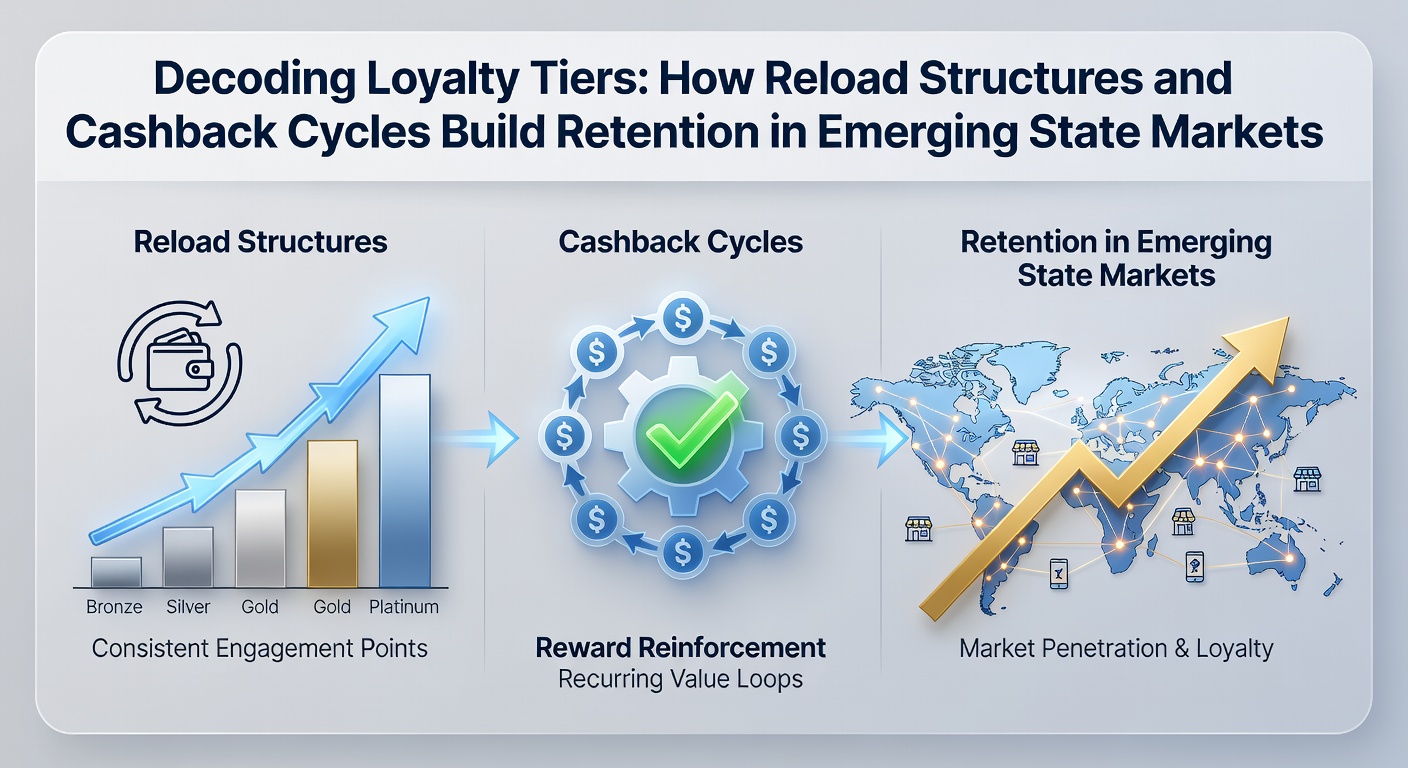
Operators in emerging state markets have integrated loyalty tiers with reload structures and cashback cycles to stabilize player bases as new regulatory frameworks take hold. These systems reward consistent activity through escalating benefits that scale with deposit volume and play frequency, and they create measurable retention patterns according to industry tracking data.
States entering the regulated online gaming space in recent years present distinct challenges compared to established markets. Players encounter fresh platforms without long histories of brand loyalty, yet structured programs address this gap by tying rewards directly to ongoing participation rather than one-time sign-ups.
Loyalty Tier Mechanics in New Regulatory Environments
Basic tiers often start with entry-level status that unlocks modest reload matches on subsequent deposits while mid-level tiers introduce percentage-based cashback applied across net losses within defined cycles. Higher tiers add priority support channels and accelerated point accumulation that compounds the value of each reload offer.
Research from state regulatory filings shows these progressions encourage players to maintain activity across multiple weeks instead of sporadic sessions. One operator in a recently legalized jurisdiction reported tier advancement rates climbing steadily through 2025 into early 2026 as reload frequency aligned with weekly deposit patterns.
Reload Structures and Deposit Continuity
Reload bonuses typically activate on deposits made after the initial welcome period, and they often carry lower wagering requirements than first-time offers to sustain momentum. In emerging markets this approach helps bridge the gap between acquisition and habitual play because players receive incentives tied to regular funding of their accounts rather than isolated promotions.
Data collected through May 2026 indicates reload structures perform best when paired with tier thresholds that reset monthly. Players who qualify for enhanced matches at the silver or gold level tend to increase deposit frequency by noticeable margins, according to aggregated reports shared among gaming associations.
Cashback Cycles Driving Loss Recovery
Cashback programs return a percentage of net losses over set intervals such as weekly or bi-weekly periods, and they function independently of win streaks to provide consistent value. Emerging state operators have refined these cycles to align with player spending rhythms observed in the first year of legalization.
What's interesting is how cashback calculations often exclude certain game types to balance house edge exposure while still delivering meaningful returns on table games and slots. Observers note that players receiving these credits frequently redeposit portions of the returned funds within the same cycle, extending session lengths.
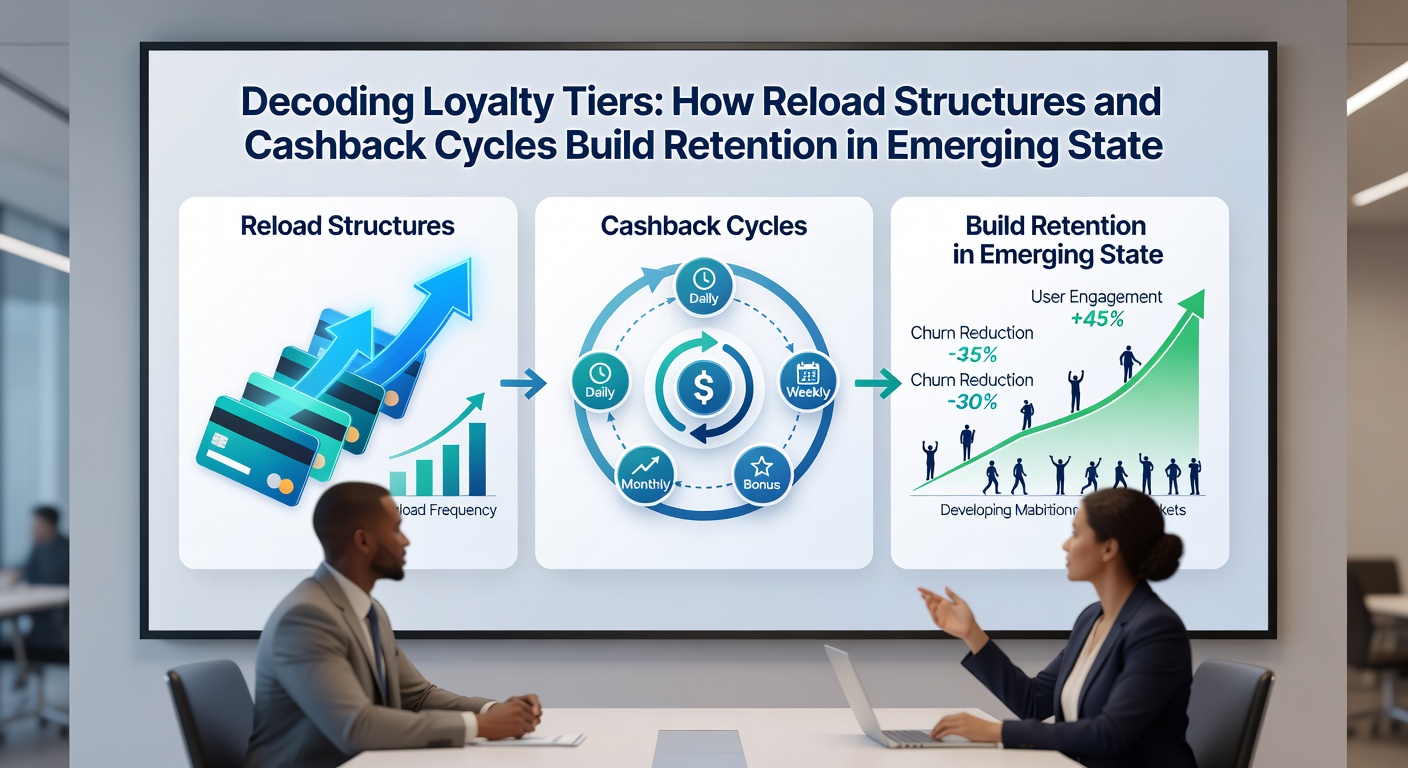
Take one mid-sized operator that adjusted cashback percentages upward for gold-tier members in March 2026. Retention metrics for that segment improved across the following eight weeks as players returned more regularly to maximize the recovery window before each cycle closed.
Combined Effects on Player Retention
When reload structures and cashback cycles operate within the same loyalty framework they reinforce each other. A player advancing through tiers gains access to larger reload percentages while simultaneously qualifying for higher cashback rates on losses, and this dual pathway reduces churn during downswings.
Figures released by the American Gaming Association in its state-by-state economic impact summaries highlight how retention metrics strengthened in jurisdictions that launched tiered systems early. Activity levels remained elevated through seasonal fluctuations when these programs incorporated both reload timing and loss recovery elements.
Another perspective comes from academic analyses of player behavior in regulated markets. A 2025 study conducted by researchers at the University of Nevada examined deposit patterns across newly opened platforms and found that combined reload-cashback models correlated with longer account lifespans compared to flat bonus structures alone.
Implementation Patterns Observed in May 2026
By May 2026 several states that legalized iGaming within the prior eighteen months had standardized reporting requirements around loyalty program performance. Regulators requested data on tier migration rates and cashback payout volumes to monitor responsible play indicators while operators refined their structures based on these insights.
Programs that reset cashback cycles on the first of each month while maintaining rolling reload eligibility windows showed particular strength in sustaining engagement among mid-tier players. Those who've studied these markets observe that clear communication of cycle start dates helps players plan deposits and maximize returns without confusion.
Conclusion
Loyalty tiers built around reload structures and cashback cycles provide operators in emerging state markets with tools to convert initial registrations into sustained activity. Data from regulatory submissions adn industry associations continues to track how these elements interact across different player segments as more states finalize their frameworks. The patterns established through 2026 suggest ongoing adjustments will further align these programs with both retention goals and compliance expectations in expanding jurisdictions.