Following Bonus Code Validation Trails Through Interstate Eligibility Filters in Digital Platforms
Avery Schmid · Aug 2, 2026
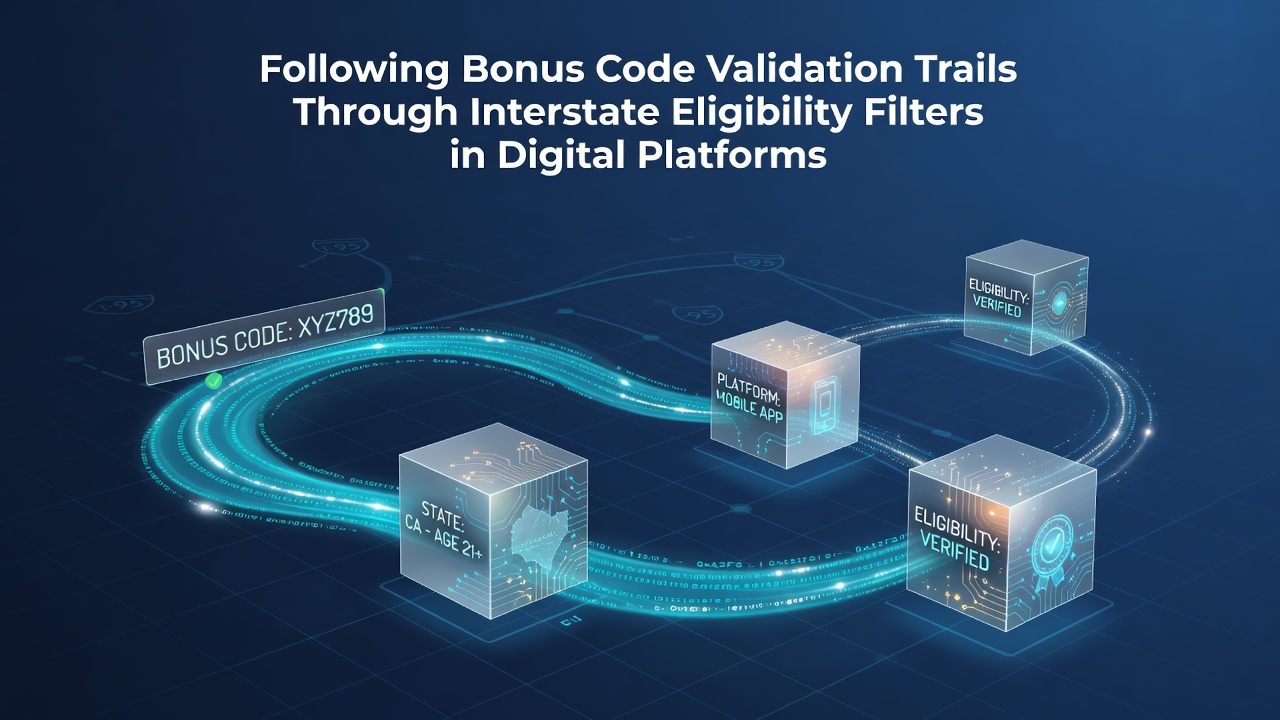
Following Bonus Code Validation Trails Through Interstate Eligibility Filters in Digital Platforms
Digital gambling platforms process bonus codes through layered validation systems that check eligibility against state-specific rules and interstate agreements, and these trails often begin when a player enters a code at registration or deposit stages. Systems route the code through geolocation databases first, then cross-reference it with compact data from participating jurisdictions, while filters block access for users outside approved boundaries. Observers note that this sequence prevents unauthorized claims and maintains compliance across expanding networks where multiple states share player data through secure APIs.
Core Components of Validation Trails
Each bonus code carries embedded parameters that platforms decode during the initial scan, including expiration dates, minimum deposit amounts, and geographic restrictions tied to state licenses. Researchers have documented how these parameters feed into eligibility engines that query real-time databases maintained by regulatory bodies, and the process accelerates when compacts allow data sharing between states like New Jersey and Pennsylvania. One study revealed that validation latency averages under three seconds in optimized systems, yet delays occur when filters encounter mismatched IP addresses or incomplete player profiles.
Platforms integrate third-party services for address verification and age confirmation before advancing the code through subsequent layers, and these steps ensure that only residents of states with active online gambling statutes receive access. Data from industry reports indicates that over 85 percent of rejected codes fail at the interstate eligibility stage due to compact exclusions or temporary moratoriums in certain regions. Experts have observed that operators update filter rules monthly to reflect legislative changes, which keeps the trails accurate amid shifting legal landscapes.
Interstate Eligibility Filters in Practice
Filters operate as rule sets that compare player location data against lists of approved states, and they incorporate compact agreements that define shared standards for bonus distribution. When a code originates from a multi-state operator, the system traces its origin through licensing records and applies weighted checks based on each jurisdiction's contribution to the overall network. Figures reveal that compact-linked states processed more than 12 million bonus validations in the first half of 2026, with August numbers showing a 14 percent increase tied to seasonal promotions.

Take one operator who expanded into a new compact state during spring 2026 and needed to recalibrate filters to honor existing bonus codes for cross-border players, and the adjustment required mapping old codes against fresh eligibility criteria within 48 hours. This case demonstrates how trails adapt when regulatory updates occur, and it highlights the role of automated scripts that propagate changes across all connected platforms simultaneously. Those who've studied these networks know that filter conflicts arise most often at state borders where residency rules differ by even small margins.
Technical Pathways and Data Integration
Bonus code trails rely on encrypted data packets that travel between player devices, platform servers, and external verification nodes, and each hop adds a timestamp that regulators can audit later. Platforms pull from centralized repositories managed by groups such as the Nevada Gaming Control Board to confirm license status before releasing rewards, while additional checks draw on academic research from institutions tracking gambling policy across North America. The integration ensures that a code validated in one state automatically respects restrictions in neighboring jurisdictions under active compacts.
What's interesting is how machine learning models now predict filter adjustments based on legislative bill tracking, and these models reduce manual interventions by flagging potential conflicts weeks in advance. Reports from Canadian regulatory sources show similar patterns in provincial systems, where cross-border filters handle eligibility for players near shared waterways or reservation lands. Observers note that August 2026 brought several platform updates that refined these predictive layers after new compact language took effect in two Midwestern states.
Challenges and Ongoing Adjustments
Validation errors surface when player data mismatches occur across state lines, and operators respond by routing such cases to manual review teams that consult compact administrators for clarification. Evidence suggests that fewer than 2 percent of codes require this escalation, yet the volume grows with each new state entering the network. Platforms maintain audit logs that record every filter decision, and these logs support compliance reporting to multiple agencies without revealing proprietary algorithms.
People who've examined the infrastructure find that redundancy in verification nodes prevents single-point failures during peak traffic periods, and this design keeps trails intact even when one state database experiences temporary outages. The reality is that interstate filters continue to evolve alongside compact negotiations, which means operators must test code pathways regularly to avoid disruptions for legitimate players.
Conclusion
Following bonus code validation trails through interstate eligibility filters reveals a system built on precise data exchanges, compact agreements, and adaptive technology that supports regulated digital gambling across state boundaries. As networks expand through 2026 and beyond, these processes maintain consistency while accommodating legislative shifts, and they rely on coordinated efforts among operators, regulators, and verification providers to deliver accurate outcomes for all participants.