How RNG Certification Standards Influence Free Play Allocation Timelines in Interstate Digital Platforms
Avery Bauer · Jul 24, 2026
How RNG Certification Standards Influence Free Play Allocation Timelines in Interstate Digital Platforms
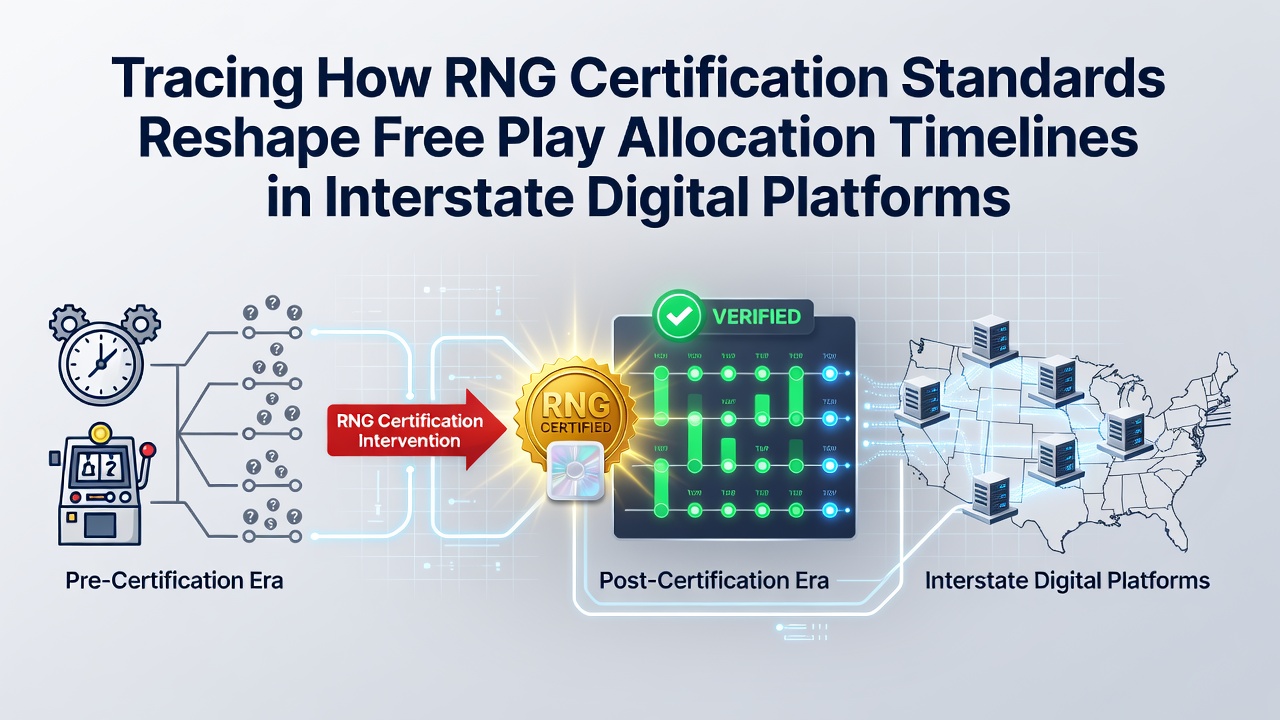
Random number generator certification forms the backbone of fairness verification for digital gambling platforms operating across multiple states, and observers note that these standards directly affect when operators can release free play credits to users. Certification bodies evaluate algorithms for statistical randomness before platforms integrate them into bonus systems, which means allocation timelines stretch or compress depending on approval cycles in each jurisdiction.
Certification Processes and Their Reach
State regulators require third-party labs to test RNG modules against specific mathematical benchmarks, and once approved, those modules support free play features that must align with local rules on timing and eligibility. Platforms handling interstate traffic face staggered deadlines because one state's clearance does not automatically satisfy another's, forcing operators to sequence free play releases state by state rather than launching simultaneously nationwide.
Effects on Allocation Windows
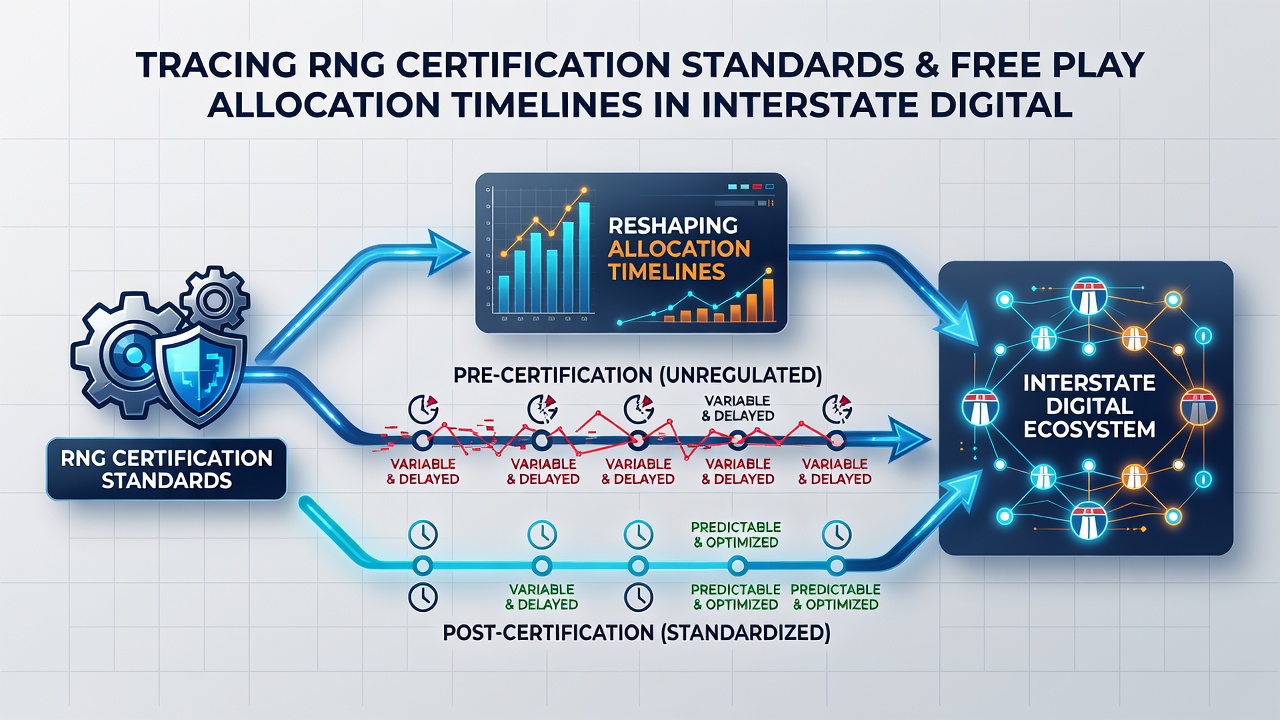
Data from regulatory filings shows that platforms typically wait between 14 and 45 days for full RNG sign-off before unlocking free play pools, yet this interval lengthens when multiple states demand separate audits. Operators coordinate with labs accredited in each market, and any discrepancy in testing parameters can push back the moment users see their allocated credits appear in accounts. In practice, a platform approved in one state during early June 2026 might still await secondary clearance in neighboring jurisdictions well into July 2026, delaying promotional calendars accordingly.
Interstate Coordination Challenges
Compacts between states attempt to harmonize verification steps, but differences persist in how each authority weighs RNG output ranges and seeding protocols. Those who track compliance records point out that platforms often maintain parallel certification tracks, running simultaneous submissions so that free play timelines do not cascade into indefinite holds. One documented case from a multi-state operator revealed that a single RNG update required eight separate lab reports before all participating states cleared the feature for live deployment.
Technical Adjustments and Platform Responses
Engineers at licensed platforms build modular bonus engines that can activate free play credits only after receiving jurisdiction-specific confirmation codes, and this architecture prevents premature allocation that might violate any single state's rules. Research conducted by the University of Nevada, Las Vegas Center for Gaming Research indicates that platforms using such modular designs reduce average rollout delays by roughly 22 percent compared with monolithic systems. Yet the same study notes that smaller operators without dedicated compliance teams still encounter bottlenecks when lab queues lengthen during peak certification seasons.
Regulatory Data and Recent Developments
Figures released by the Nevada Gaming Control Board for the first half of 2026 list 37 RNG recertifications tied directly to interstate free play features, while the New Jersey Division of Gaming Enforcement recorded 29 similar actions during the same period. These numbers reflect ongoing platform expansions that cross state lines, and they illustrate how certification volume influences the calendar for credit distribution. Platforms that complete early testing often schedule free play windows to open within days of final state sign-off, creating predictable patterns visible in user activity logs.
Future Outlook for Timelines
Industry associations continue to explore standardized testing templates that multiple states might accept, and preliminary discussions suggest that shared audit frameworks could shorten allocation intervals without compromising oversight. Observers tracking these talks note that any unified approach would still require legislative updates in each jurisdiction before operators could rely on a single certification stamp across borders. Until then, platforms maintain detailed tracking systems that map every RNG approval to its corresponding free play release date per state.
Conclusion
RNG certification standards continue to set the pace for free play allocation across interstate digital platforms, and the layered approval process produces staggered timelines that operators must navigate carefully. Data from regulatory bodies and academic sources shows measurable impacts on rollout schedules, while technical adaptations help mitigate some delays. As states refine their requirements through 2026 and beyond, platforms will keep adjusting certification sequences to match evolving compliance maps.