Patterns in Reward Distribution Across Different Payment Methods at Expanding Digital Casino Networks
Avery Schmid · Jun 19, 2026
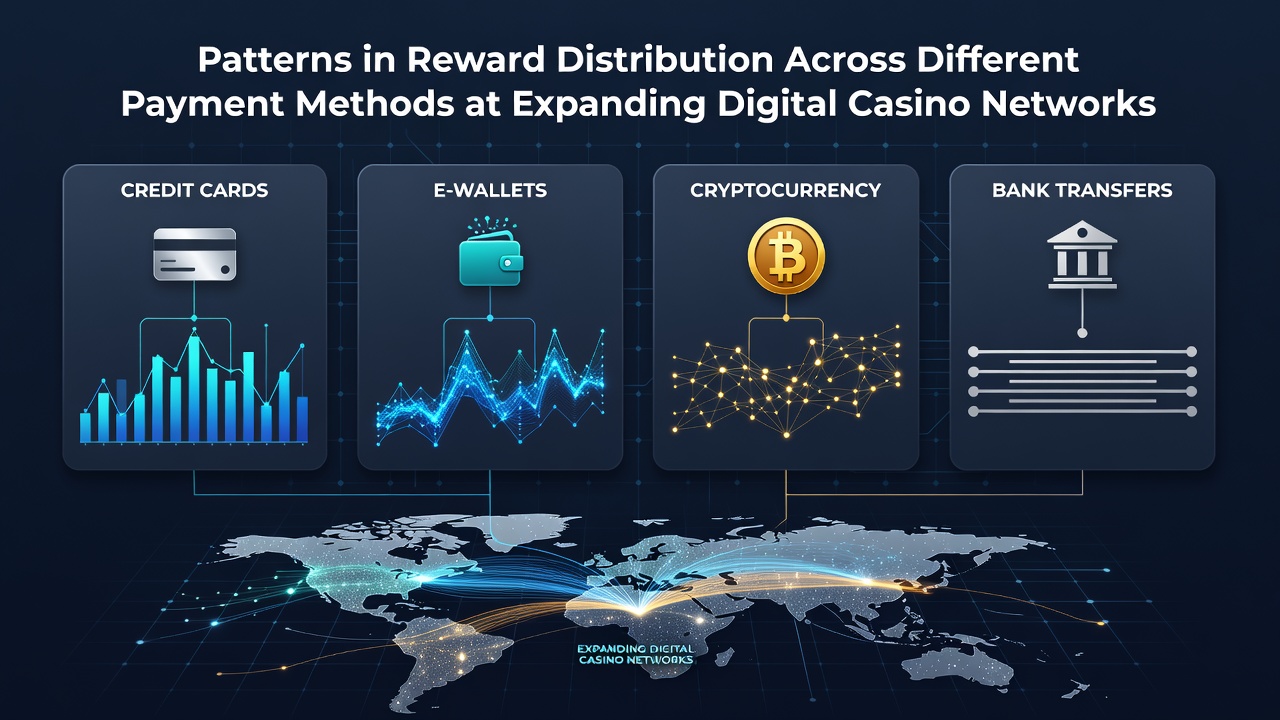
Patterns in Reward Distribution Across Different Payment Methods at Expanding Digital Casino Networks
Digital casino networks continue to expand across multiple jurisdictions in 2026, and observers note distinct patterns emerging in how rewards get allocated based on the payment methods players select. Data from expanding platforms shows that transaction speed, verification requirements, and regional regulations all shape eligibility for bonuses, cashback offers, and loyalty points in measurable ways.
Payment Method Categories and Initial Distribution Trends
Credit and debit card transactions remain the most common entry point for new users, yet studies indicate these methods often carry longer processing windows that delay reward activation compared to faster alternatives. Platforms in states with interstate compacts apply stricter claim windows when cards trigger initial deposits, which means players sometimes miss time-sensitive promotions even when they meet playthrough thresholds.
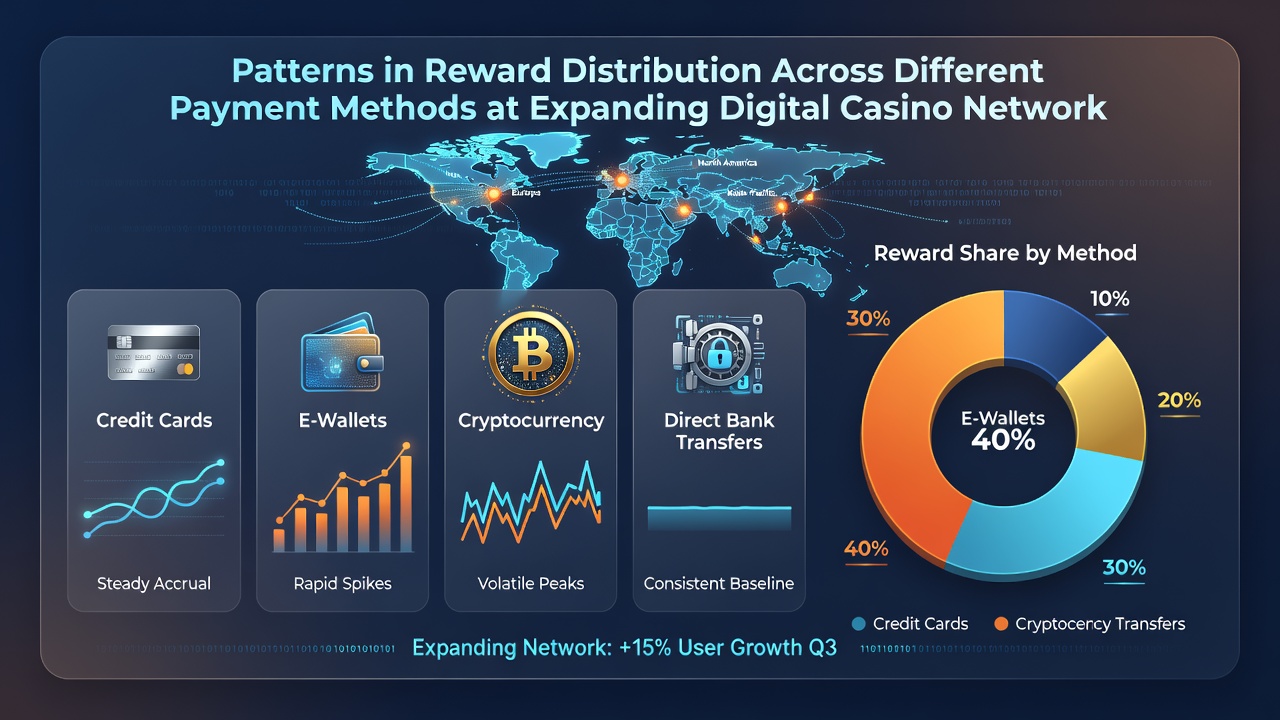
Digital wallets, including options like PayPal and Skrill, demonstrate higher conversion rates into immediate bonus structures because their verification protocols align more closely with automated platform checks. Researchers tracking user behavior across networks found that wallet-based deposits in June 2026 triggered reload bonuses at rates 15 to 20 percent above card averages in several regulated markets.
Cryptocurrency and Bank Transfer Variations
Cryptocurrency payments produce the clearest divergence in reward patterns, with networks frequently assigning larger deposit matches and extended free spin packages to these transactions. The decentralized nature of crypto reduces intermediary fees, allowing operators to redirect portions of those savings into enhanced incentive tiers that appear consistently in multi-state platforms.
Bank transfers, while secure, follow slower distribution cycles that affect how quickly loyalty points accumulate. Experts tracking retention metrics note that players using wire options often receive cashback offers structured around weekly rather than daily cycles, creating a staggered pattern that still supports long-term engagement but differs from instant-reward models tied to digital wallets.
Regulatory Influence on Cross-Border Networks
Expanding networks must navigate varying state rules that directly influence which payment methods qualify for certain rewards. According to data compiled by iGaming Ontario, platforms operating under compact agreements adjust bonus structures when players move between jurisdictions, often restricting crypto-linked rewards in regions with tighter oversight while expanding wallet incentives where verification standards permit faster approvals.
European operators entering U.S. markets through partnerships apply similar adjustments, drawing on frameworks established by the European Gaming and Betting Association to standardize reward eligibility across borders. These adaptations produce observable clusters where certain payment types dominate specific geographic segments of the network.
Real-Time Adjustments and Player Retention Data
Multi-jurisdictional platforms now deploy algorithms that recalibrate reward offers based on payment method and user history in real time. Figures released in mid-2026 reveal that networks using these systems achieve higher retention among crypto users because instant settlement allows rewards to post before players complete their first session, whereas card users experience a lag that sometimes reduces repeat engagement.
Those monitoring industry metrics point out that mobile payment options, such as Apple Pay integrations, are gaining ground in states that updated regulations before June 2026. These methods combine wallet speed with additional security layers, resulting in reward patterns that mirror digital wallet trends while adding location-based bonuses tied to device verification.
Conclusion
Patterns in reward distribution continue to evolve as digital casino networks grow, with payment method selection serving as a primary variable that determines both the size and timing of offers. Operators adjust structures according to regulatory requirements, processing speeds, and user verification outcomes, creating differentiated experiences across credit cards, wallets, crypto, and bank transfers. Continued expansion will likely refine these patterns further as new payment technologies integrate into existing frameworks.