Player Segmentation Strategies That Determine Personalized Reload Offers in Multi-Jurisdictional Casino Apps
Tina Hartmann · Jun 23, 2026
Player Segmentation Strategies That Determine Personalized Reload Offers in Multi-Jurisdictional Casino Apps
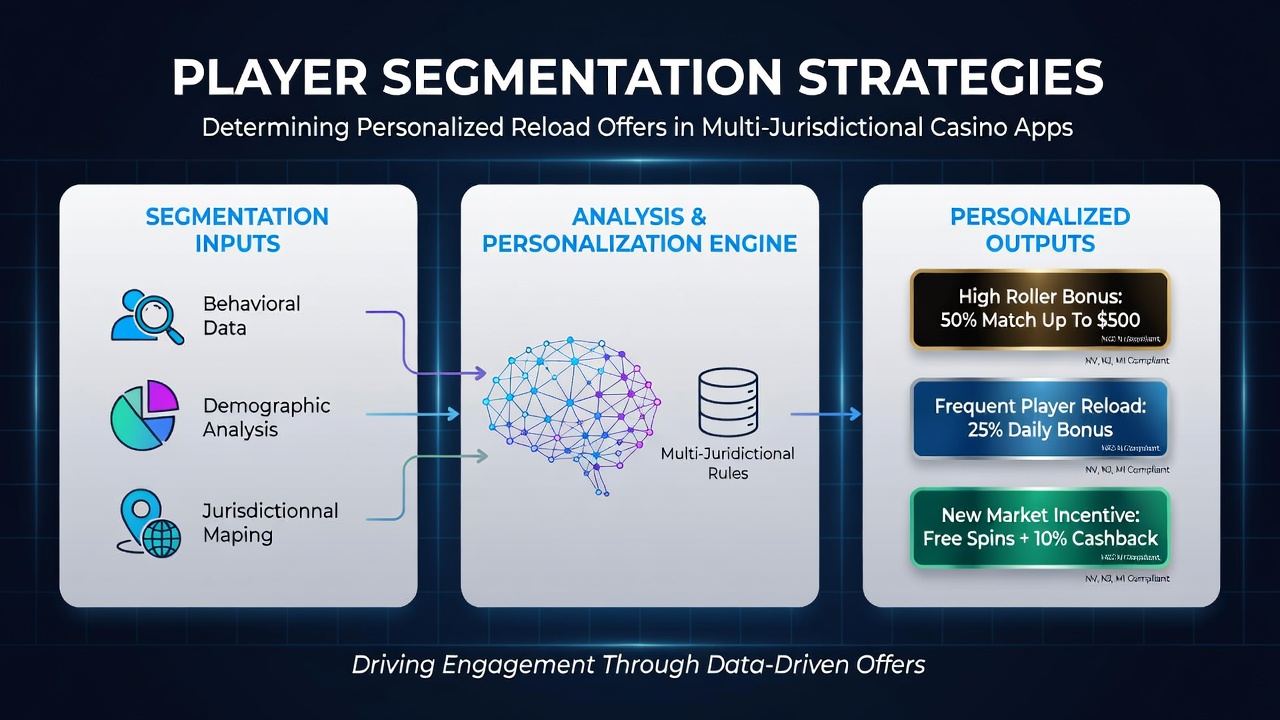
Operators in multi-jurisdictional casino apps rely on detailed player segmentation to deliver reload offers that match individual behavior, location, and spending patterns. These strategies break users into groups based on deposit frequency, game preferences, and activity levels, then adjust bonus structures like deposit matches or cashback percentages accordingly. Because regulations differ across states and countries, the same app must apply separate rules for each market while maintaining consistent backend analytics.
Core Segmentation Criteria Used by Operators
Research from industry analytics platforms shows that operators divide players by recency, frequency, and monetary value, often called RFM models, while layering in jurisdictional data such as state licensing requirements and tax obligations. High-value users in one state might receive reload matches of 50 percent up to a set limit, whereas similar users in another market see smaller percentages paired with free spin packages because local rules cap bonus sizes. Behavioral signals like session length and game volatility preference further refine these groups, allowing systems to trigger offers automatically when a player meets certain thresholds.
Geographic segmentation adds another layer since apps must comply with rules that vary from state to state. A player logging in from New Jersey faces different verification and bonus eligibility windows than one in Michigan, so segmentation engines tag accounts with location metadata that influences which reload campaigns activate. Data from the New Jersey Division of Gaming Enforcement indicates that operators track these distinctions in real time to avoid regulatory conflicts while still personalizing incentives.
How Reload Personalization Adapts to Multiple Markets
Personalized reload offers emerge when segmentation engines cross-reference player history with current jurisdictional limits. In practice this means a user who deposits weekly in a high-tax state might receive loss-recovery cashback instead of large match bonuses, while the same user in a lower-tax market gets higher percentage reloads. Algorithms update these offers daily, pulling fresh data on wagering patterns and adjusting terms before the next login.
Multi-jurisdictional platforms also segment by device and payment method because these factors correlate with retention rates across borders. Crypto users often receive faster reload processing and different bonus structures than credit-card players, and operators adjust the offers based on which jurisdictions permit digital currency transactions. This approach keeps campaigns compliant while maximizing engagement in each region.
Regulatory and Technical Constraints Shaping Offers
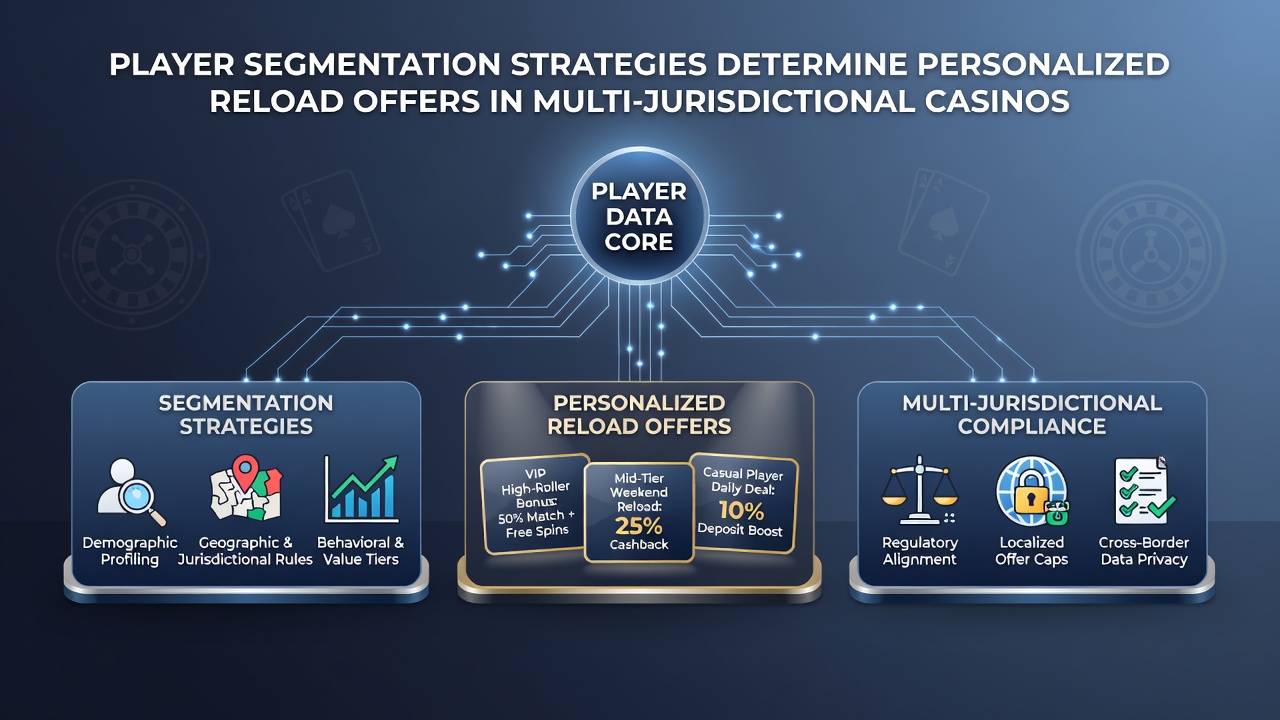
State gaming commissions impose strict rules on bonus advertising and playthrough requirements, forcing segmentation systems to maintain separate offer libraries for each licensed market. As of June 2026 several states have expanded online casino access, increasing the number of jurisdictions any single app must serve and raising the complexity of segmentation logic. Operators respond by building modular offer engines that swap bonus templates based on detected location and account flags.
Technical integration with geofencing and identity verification tools ensures that reload offers only appear to eligible users. When a player crosses state lines the app detects the change and immediately substitutes the appropriate segmented campaign, preventing accidental distribution of non-compliant incentives. These safeguards rely on continuous data feeds from regulatory bodies and internal compliance teams.
Observed Patterns in Offer Performance Across Jurisdictions
Analytics reports from multi-state operators reveal that segmented reload offers produce higher redemption rates than generic campaigns, especially when the system factors in both player value and local regulatory caps. Users in newer markets tend to respond to shorter playthrough periods, while established markets see stronger results from volume-based reloads that reward consistent deposits. These patterns emerge from aggregated data across thousands of accounts rather than individual assumptions.
Cross-border compacts between states introduce additional variables because they sometimes harmonize certain bonus rules while leaving others distinct. Segmentation engines must therefore maintain dual compliance layers, tagging players according to both home-state rules and compact agreements. Observers note that this layered approach has become standard practice as more jurisdictions join interstate frameworks.
Conclusion
Player segmentation continues to evolve as the backbone of reload personalization in multi-jurisdictional casino apps, balancing regulatory compliance with behavioral targeting. Operators refine these systems through ongoing analysis of deposit patterns, location data, and offer redemption metrics, ensuring that each market receives incentives aligned with its specific rules. As additional states authorize online platforms through 2026 and beyond, the precision of segmentation strategies will determine how effectively apps maintain player engagement across expanding legal networks.