Shifting Player Retention Patterns Through Adaptive Reward Recalibrations in Multi-State Digital Gambling Ecosystems
Xander Braun · Aug 16, 2026
Shifting Player Retention Patterns Through Adaptive Reward Recalibrations in Multi-State Digital Gambling Ecosystems
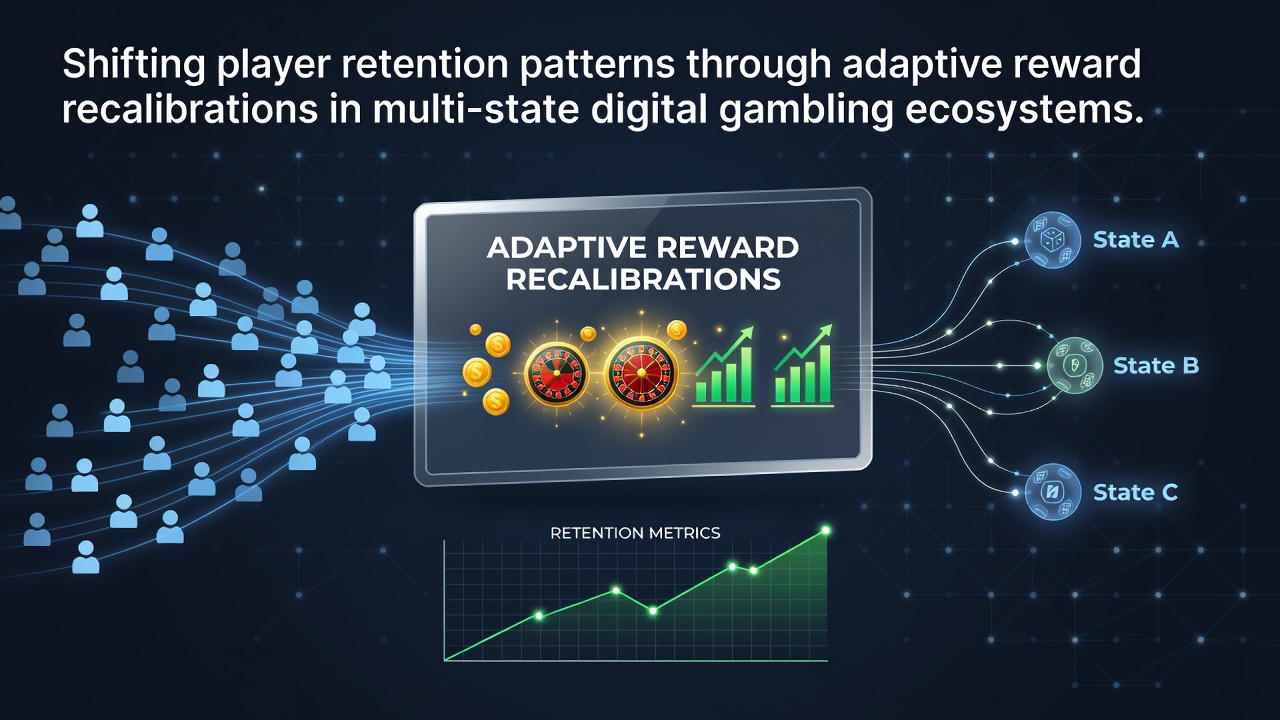
Digital gambling platforms operating across multiple U.S. states have adjusted reward structures in response to varying regulatory requirements and player behavior data, with systems recalibrating offers such as deposit matches and free spins based on real-time activity tracking. These changes reflect efforts to maintain engagement while adhering to state-specific rules on bonus eligibility and playthrough conditions.
Regulatory Variations Driving System Adjustments
States like New Jersey, Pennsylvania, and Michigan maintain distinct oversight frameworks through their respective gaming commissions, and operators must modify reward parameters to align with each jurisdiction's verification timelines and contribution limits. Data compiled by the American Gaming Association shows that interstate compacts have prompted platforms to implement modular reward engines capable of switching configurations based on user location signals.
Platforms track session duration, deposit frequency, and game type preferences to trigger recalibrations, while automated tools adjust bonus values to stay within state-mandated caps. In August 2026, regulatory filings indicated increased use of such engines in markets where cross-border player pools expanded following new compact agreements.
Player Behavior Data and Retention Metrics
Research from the UNLV Center for Gaming Research has documented how adaptive systems respond to patterns such as declining deposit rates or extended inactive periods by recalibrating reward tiers without manual intervention. These adjustments occur through algorithms that weigh factors including prior redemption history and state residency status, then redistribute incentive values accordingly.
Observers note that retention curves in multi-state networks have shifted as platforms prioritize reload offers for users showing reduced activity, while new player bonuses remain fixed by entry-level verification protocols. Figures from state reports reveal that platforms applying these methods recorded steadier month-over-month active user counts compared to static reward models.
Implementation Across Expanding Jurisdictions
Operators integrate location-based triggers into their backend systems so that a player crossing from one regulated state into another receives recalibrated offers that comply with the destination rules. This process involves continuous synchronization with regulatory databases to confirm eligibility windows and exclude restricted bonus types. Industry analyses indicate that such synchronization has become standard in networks connecting four or more states, reducing compliance violations while preserving engagement sequences.
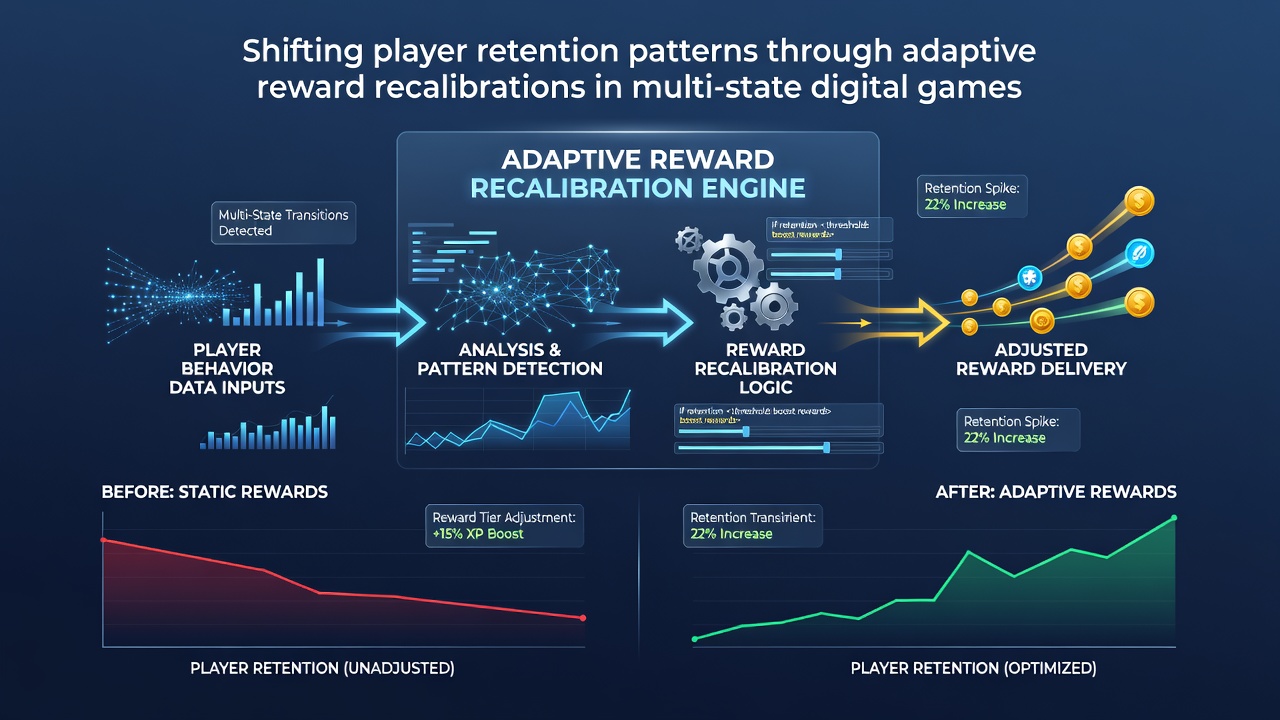
Case examples include platforms that lowered playthrough multipliers for table game bonuses in one state while increasing free spin allocations for slot-focused users in another, all within the same user session history. These targeted modifications draw from aggregated anonymized datasets that regulatory bodies require operators to maintain for auditing purposes.
Cross-State Data Integration Challenges
Technical teams at major platforms coordinate with state regulators to ensure reward engines respect differing expiration timelines and contribution percentages. Reports from the Canadian Gaming Association highlight parallel approaches in provinces with inter-jurisdictional agreements, where similar recalibration logic supports retention across borders. Integration requires mapping each state's rule set into a unified decision tree that processes player data in milliseconds.
Those tracking these developments point to increased investment in API connections between operator systems and regulatory portals, allowing automatic updates when rules change. In August 2026, several networks completed upgrades that expanded real-time recalibration coverage to newly approved markets in additional states.
Conclusion
Adaptive reward recalibrations continue to influence retention patterns as operators refine their approaches to multi-state compliance and player segmentation. Ongoing data collection from regulatory sources and research institutions provides the foundation for these system updates, with platforms maintaining separate configurations for each jurisdiction while sharing underlying behavioral analytics frameworks.